


In our rapidly evolving digital world, artificial intelligence (AI) is reshaping how we live, learn, and communicate. But as with all powerful technology, there’s a dark side: sophisticated AI tools are increasingly being used to generate artificial child sexual abuse material (CSAM) — deeply harmful and illegal content that puts children at risk and creates complicated challenges for families, law enforcement, and online safety advocates.
AI‑generated CSAM might not depict real children in every case, but the harm it causes — to victims, to children accidentally exposed, and to society’s efforts to protect young people — is very real. Understanding this threat is crucial for all parents.
What Is AI‑Generated CSAM and Why It Matters
AI‑generated CSAM refers to photorealistic images, videos, or deepfake content produced by generative AI that depicts children in sexually explicit scenarios. This can include:
- Deepfakes: AI‑created images or videos that look like real people — often manipulated from existing photos but sometimes entirely synthetic.
- “Nudification”: AI tools used to strip clothing from photos of children or to create sexually explicit images from harmless originals.
- Synthetic videos: AI‑rendered motion content that convincingly simulates abuse scenarios.
Experts emphasize that sexualised images of children created or manipulated by AI are still child abuse material — even if no real abuse occurred in the moment the image was made — because of the harm they cause and their potential misuse.
Recent Global News: Escalating Concern and International Action
1. AI‑Generated CSAM Surge
One of the clearest indicators of how serious this issue has become comes from recent global data reported by child safety experts:
- There has been a dramatic increase in reports of AI‑generated CSAM, contributing to record levels of online child abuse content in recent years.
- International watchdog groups like the Internet Watch Foundation (IWF) have reported hundreds or even thousands of AI‑generated sexual abuse videos — up sharply from previous years.
2. UNICEF and Global Authorities Sound the Alarm
Major international organisations are responding:
- United Nations Children’s Fund (UNICEF) has spoken out strongly against AI‑generated sexualised content involving children, calling on governments to criminalise its creation and distribution and urging tech developers to build stronger safeguards into AI systems.
- Governments are taking action: Spain has launched criminal investigations into social media platforms for allegedly enabling AI CSAM distribution, including scrutiny of AI chatbots capable of generating harmful imagery.
- Law enforcement and child safety advocates in the U.S. and other countries have called for stronger legal responses and better public education around these threats.
3. Law Enforcement Initiatives
Global operations by police agencies have resulted in dozens of arrests connected to the production and distribution of fully AI‑generated sexual abuse material — marking one of the first major law enforcement responses globally.

Why This Technology Is a Growing Threat
There are several reasons why AI‑generated CSAM is particularly dangerous:
- Easy Accessibility: Generative AI tools are increasingly available to the public, and without proper safeguards, can be misused to create and share illegal content with minimal technical expertise required.
- Difficulty in Detection: Because AI content can look extremely realistic — often indistinguishable from real photographs or videos — it makes detection and moderation harder for platforms, law enforcement, and parents alike.
- Emotional and Psychological Harm: Even when entirely synthetic, exposure to sexually abusive content can be traumatic for children and can normalise exploitative imagery, contributing to broader cultural harms.
- Challenges for Victim Identification: When AI recreates or manipulates images of real children, it may disguise actual victims’ identities or dilute the evidence, complicating rescue efforts and legal prosecution.
What Parents Need to Know and Do
AI‑generated CSAM is a serious concern — but there are clear steps you can take to protect your child’s online safety:
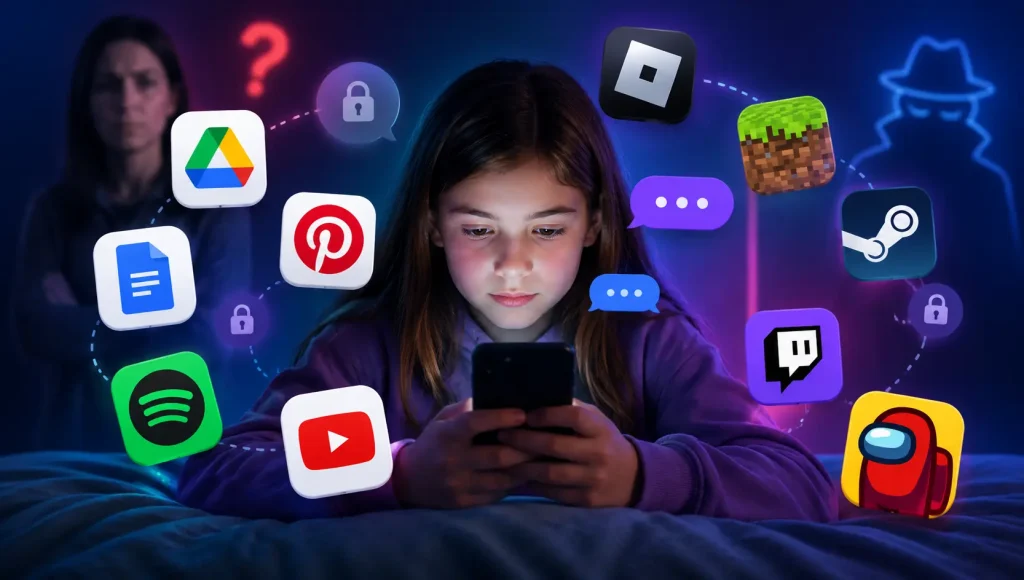
- Understand the Risks: Be aware that AI tools can create harmful content and that exposure can occur even through seemingly trusted platforms like social media or shared videos.
- Open Communication: Foster an environment where your children feel comfortable talking to you about anything they encounter online that makes them uncomfortable or confused. Reassure them that they won’t be judged.
- Digital Literacy: Teach your children critical thinking skills about online content. Help them understand that not everything they see online is real or trustworthy.
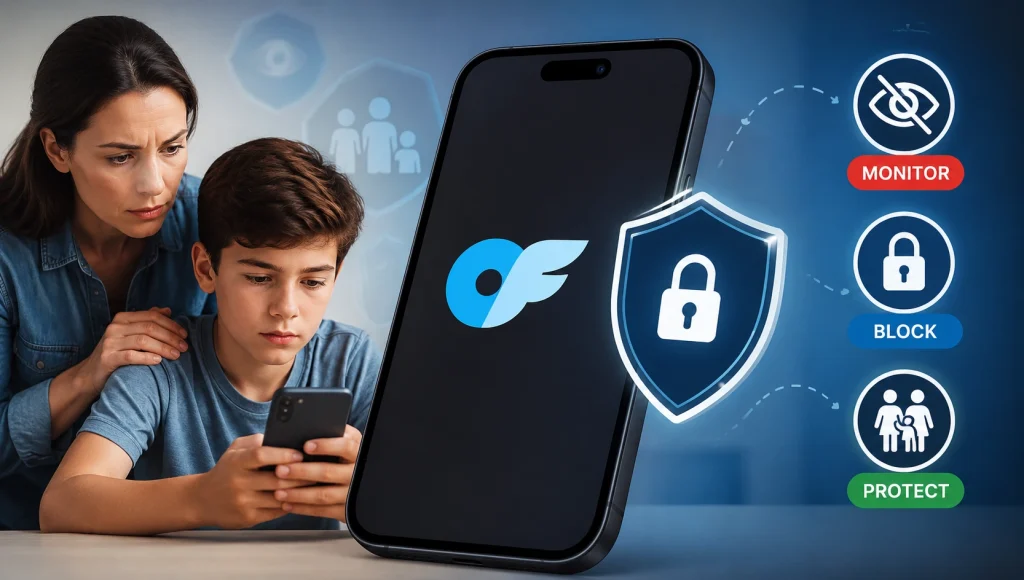
- Monitor Online Activity (Responsibly): Use safe browsing tools, safe browsing app to filter inappropriate content, monitor your child’s website activity, and detect potentially risky interactions early. Discuss privacy settings with them and help them understand the importance of not sharing personal information.
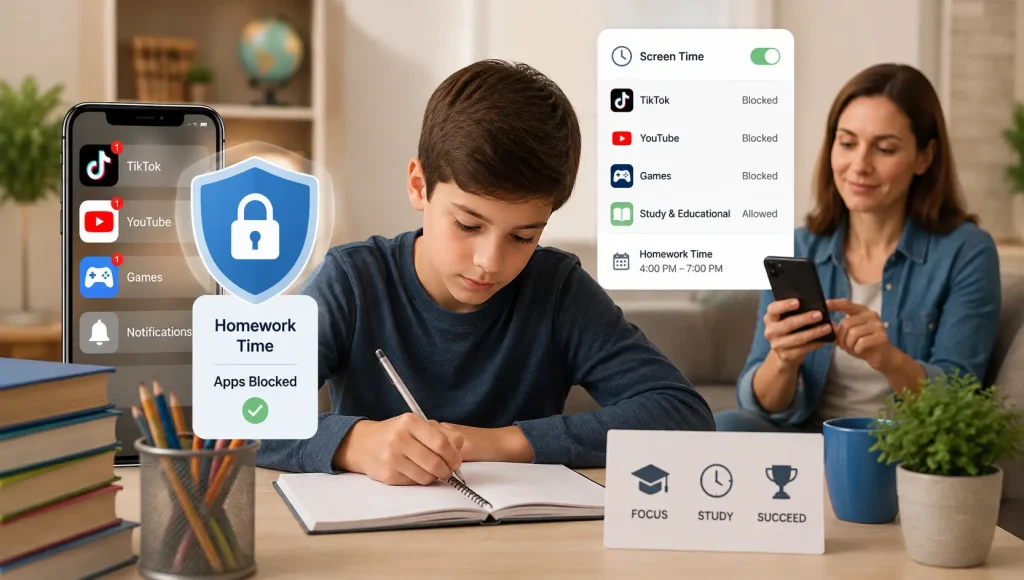
- Utilize Parental Control Tools: Technology can also be a powerful ally in safeguarding your children. Parental control app can help you manage screen time, filter inappropriate content, and monitor for concerning activity.
- Report Suspicious Content: If you or your child encounter any CSAM, whether real or AI-generated, report it immediately to the appropriate authorities. In the United States, you can report to the National Center for Missing and Exploited Children (NCMEC) at cybertipline.org.
How AI-Generated CSAM Spreads Online
AI-generated abuse material typically spreads through three main channels that parents should be aware of. Encrypted messaging apps and private group chats on platforms like Telegram and Discord remain the primary distribution method, where content moderation is limited or nonexistent. Predators also exploit social media apps that are not safe for kids by uploading AI-generated images to mainstream platforms faster than automated detection systems can remove them. The Internet Watch Foundation reported that some AI-generated images are now so realistic that trained analysts struggle to distinguish them from real photographs.
The third and most alarming channel is nudification websites and apps that can turn any innocent photo into explicit material within minutes. A child’s school photo, social media profile picture, or family vacation image can be manipulated into abuse content. This is why parents should limit how many photos of their children are shared publicly and review privacy settings on every platform.
Blocking Access to Harmful Content
While no single tool can eliminate every risk, layering multiple protections significantly reduces your child’s exposure. Start by blocking adult content on your kid’s phone using device-level content filters. Many children attempt to bypass these restrictions through private browsing, so it is equally important to block incognito mode on every browser
installed on their device.
For websites specifically known for hosting explicit material, follow our detailed guide on how to block Pornhub and adult content across all devices your child uses. As an additional layer, consider replacing your child’s default browser with Browsely — KidsNanny’s AI-powered safe browser that scans every image and video frame using on-device AI before it reaches your child’s screen.
Recognizing the Signs of Grooming
AI-generated content is not only distributed passively. Predators actively use it as a grooming tool to normalize inappropriate material during conversations with minors. They may share AI-generated images to lower a child’s defenses, gradually escalating to requests for real photos or personal meetings.
Parents should watch for sudden changes in their child’s online behavior: secret accounts, clearing chat history frequently, receiving gifts from unknown contacts, or becoming withdrawn after using their phone. KidsNanny’s monitoring tools can detect online grooming and sextortion patterns by analyzing messaging activity for warning signs. The app’s Camera Shield also blocks nudity and unsafe video calls in real time, preventing predators from using video as an exploitation tool.
The Psychological Impact on Children
Even when a child’s actual image is not used, the existence of AI-generated CSAM creates lasting psychological harm. Children who discover that synthetic abuse material depicting minors exists often experience anxiety, shame, and a loss of trust in online spaces. Research from UNSW’s Human Rights Institute shows that victims of deepfake exploitation frequently suffer from depression, social withdrawal, and long-term trauma comparable to victims of traditional abuse imagery.
For parents, this highlights the importance of creating a home environment where children feel safe reporting anything uncomfortable they encounter online without fear of punishment or blame.
What Schools and Communities Can Do
Protecting children from AI-generated abuse content is not the responsibility of parents alone. Schools play a critical role by integrating digital literacy and online safety education into their curriculum. Teaching children to recognize manipulated content, understand the permanence of digital material, and report suspicious interactions builds essential skills for navigating the modern internet safely.
Community organizations and local law enforcement agencies can support families by hosting awareness workshops about emerging digital threats. Parents who suspect their child has been targeted or has encountered AI-generated CSAM should report it immediately to NCMEC through their CyberTipline or contact local law enforcement.
How KidsNanny Parental Control App Can Help
In this evolving digital landscape, tools like the KidsNanny parental control app can provide an essential layer of protection for your family.
KidsNanny Overview
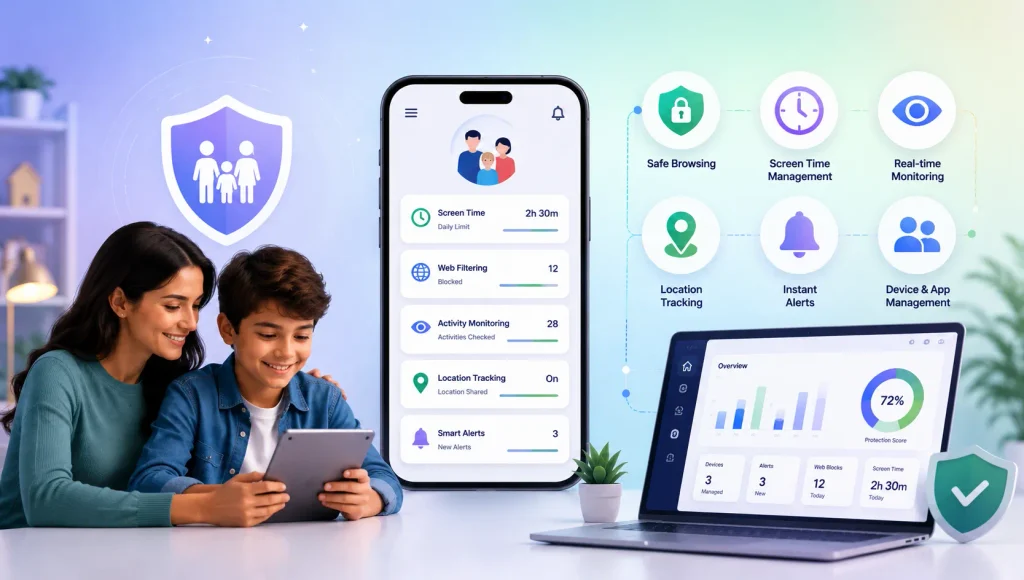
KidsNanny is a comprehensive parental control solution designed to empower parents with the ability to create a safer online environment for their children. It offers a suite of features tailored to address modern digital challenges, including:
- Real-Time Detection: KidsNanny’s AI-powered detection can detect inappropriate content, including AI-generated CSAM, before it reaches your child.
- Content Filtering: KidsNanny’s advanced filtering capabilities help block access to inappropriate websites and apps, reducing the risk of accidental exposure to harmful content, including potential AI-generated CSAM sources.
- Screen Time Management: Set healthy limits on device usage and app access, ensuring your children develop balanced digital habits.
- Activity Monitoring: Gain insights into your child’s online activities, including website history and app usage, helping you identify potential risks or concerning behaviors early on.
- Parental Alerts: Receive instant notifications if risky content is detected, enabling immediate intervention.
- Camera Shield (Core Child Safety Feature): Prevents unauthorized access to your child’s device camera and blocks suspicious apps from secretly activating it — protecting children from hidden recording risks, exploitation attempts, and privacy violations.
- Complete Privacy: All monitoring happens on-device—your child’s data never leaves the phone, ensuring privacy and security.
By providing tools to filter content, manage access, and monitor activity, KidsNanny helps parents proactively safeguard their children from the complex and increasingly sophisticated threats posed by the digital world, including the insidious rise of AI-generated CSAM.
Protecting children in the digital age requires vigilance, education, and the strategic use of available tools. By staying informed about threats like AI-generated CSAM and implementing solutions like KidsNanny, parents can build a stronger defense against online dangers and ensure their children can explore the internet safely and positively.