


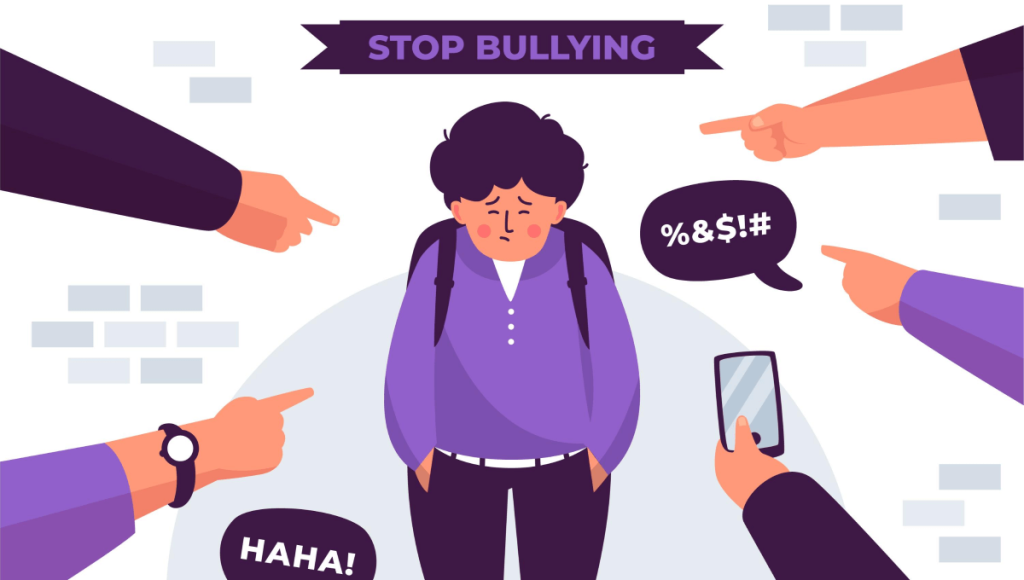
What Is Cyberbullying?
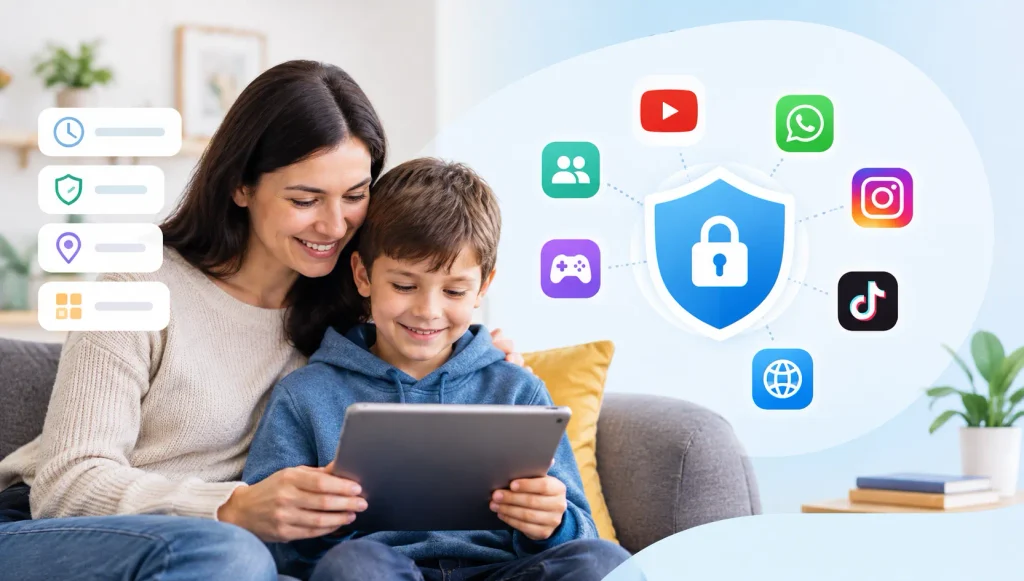
Cyberbullying is a form of bullying that often involves digital spaces but is rooted in real-world behaviors, relationships, and power dynamics. While it commonly appears through phones, apps, or online platforms, it usually begins with offline emotions like anger, jealousy, peer pressure, or the desire for social control like smartphones, computers, and tablets. It can occur on social media apps, messaging platforms, online games, forums, and even through emails or comments on public posts. Unlike traditional bullying, cyberbullying can happen 24/7, spread quickly, and often leaves a permanent digital footprint.
For kids and teens, whose social lives are deeply connected to the online world, cyberbullying can be extremely harmful—affecting their mental health, emotional well-being, physical health, academic performance, and self-esteem.
This blog is written especially for parents, caregivers, and educators to understand cyberbullying, its causes, its effects, and how to protect children in today’s AI-powered and social-media-driven world.
How Cyberbullying Happens on Social Media Apps
Social media platforms are a major source of cyberbullying among kids and teens. Features designed for engagement can sometimes be misused in harmful ways.
Common Ways Cyberbullying Occurs Online
- Public replies and comments: Hurtful comments on posts, photos, or videos
- Reposts and shares: Embarrassing content shared repeatedly to shame a child
- Private messages: Threats, harassment, or abusive language sent directly
- Group chats: Excluding, mocking, or targeting one child in a group
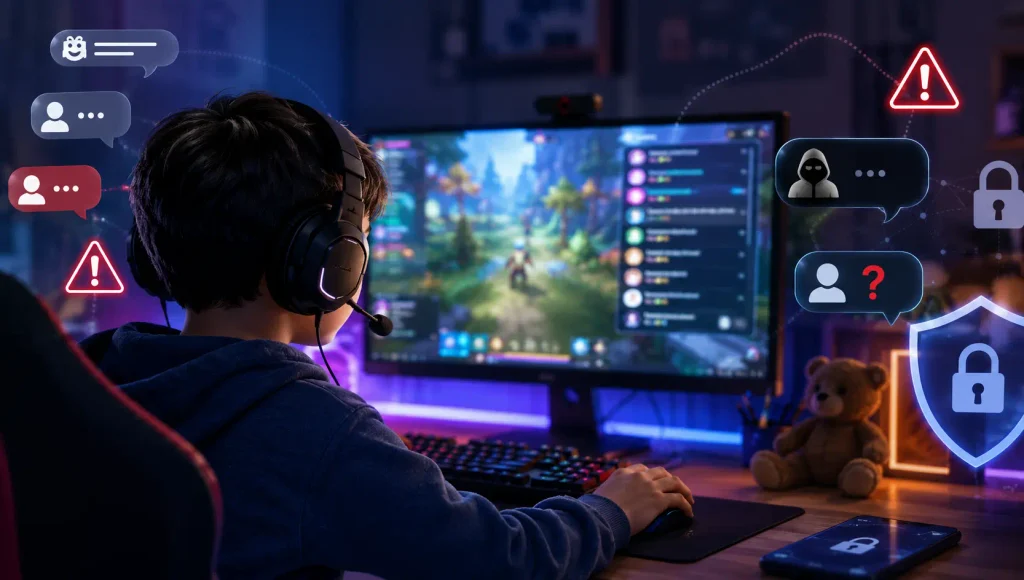
- Fake accounts: Bullies hiding behind anonymity, made easier because many platforms allow account creation with minimal personal information. Weak or missing age-verification systems also allow children and teens to create unverified profiles, which increases misuse, impersonation, and repeated harassment without accountability.
- Memes and edited images: Used to ridicule or humiliate
Because posts can go viral within minutes, a single cruel comment can quickly turn into mass bullying.
Role of AI and Technology in Cyberbullying
Modern technology and AI tools have changed how cyberbullying looks today.
How AI Can Increase the Risk
- AI-generated images or deepfakes used to embarrass teens
- Auto-suggested comments or reposts that amplify hateful content
- Anonymous platforms powered by algorithms that promote engagement over safety
- Bots or fake profiles spreading hate or threats
How AI Can Also Help Protect Kids
- AI-based content detection can identify hate speech, threats, NSFW, and abusive language
- Real-time alerts can notify parents before harm escalates
- Automatic removal of harmful content reduces emotional damage
When used responsibly, AI can become a powerful tool for child digital safety.
Types of Cyberbullying Kids and Teens Face
Cyberbullying can take many forms, including:
1. Body Shaming
Teens are often targeted for their:
- Weight
- Height
- Skin color
- Facial features
- Clothing or appearance
Body shaming can lead to eating disorders, depression, and long-term self-image issues.
2. Hate Speech
Bullying based on:
- Gender
- Culture
- Language
- Appearance
- Interests or hobbies
Repeated exposure to hate speech can make children feel unsafe and unwanted.
3. Threats and Intimidation
Some kids receive:
- Threatening messages
- Blackmail
- Messages encouraging self-harm
These situations are extremely serious and require immediate parental action.
4. Social Exclusion
- Being deliberately left out of online groups
- Ignored or mocked in public chats
This form of bullying can be silent but deeply damaging.
Impact of Cyberbullying on Mental Health
Cyberbullying directly affects a child’s mental and emotional well-being.
Common Mental Health Effects
- Anxiety and constant fear
- Depression and sadness
- Low self-esteem
- Loss of confidence
- Emotional withdrawal
- Mood swings
In severe cases, cyberbullying has been linked to self-harm and suicidal thoughts, especially among teens.

Physical and Behavioral Effects on Kids
Mental stress often shows up physically.
Physical Symptoms May Include:
- Headaches
- Stomach pain
- Sleep problems or nightmares
- Fatigue
- Changes in eating habits
Behavioral Changes Parents Should Watch For:
- Avoiding school or social activities
- Sudden drop in academic performance
- Spending too much time alone
- Deleting social media accounts suddenly
- Fear of using their phone or computer
Why Kids Often Don’t Tell Parents
Many children stay silent because:
- They fear losing access to their phone or apps
- They feel embarrassed or ashamed
- They think adults won’t understand
- They worry bullying will get worse
This is why open communication and trust are essential.
How Parents Can Help Prevent Cyberbullying
Cyberbullying prevention doesn’t start with rules or monitoring—it starts with real, everyday parenting moments. Small, consistent actions often make the biggest difference.
1. Create a Safe Space for Real Conversations
Instead of formal or serious talks, try casual conversations during meals, car rides, or daily routines. Ask simple questions like:
- “Did anything online today make you uncomfortable?”
- “Have you seen anyone being treated badly online lately?”
Listen more than you speak. Avoid reacting with anger or panic. When kids feel heard and not judged, they are far more likely to open up.
2. Guide, Don’t Lecture, About Online Behavior
Kids learn best from guidance, not fear. Explain that words online can hurt just as much as words spoken face-to-face. Help them understand:
- What respectful communication looks like online
- Why sharing or reposting hurtful content can cause serious harm
- When it’s okay to walk away, mute, block, or report someone
Teaching empathy online helps children become safer and kinder digital citizens.
3. Set Realistic and Healthy Screen Habits
Instead of strict bans, focus on balance. Encourage:
- Device-free family time
- Healthy sleep routines without late-night scrolling
- Age-appropriate apps and privacy settings
Clear expectations work better when children understand why boundaries exist.
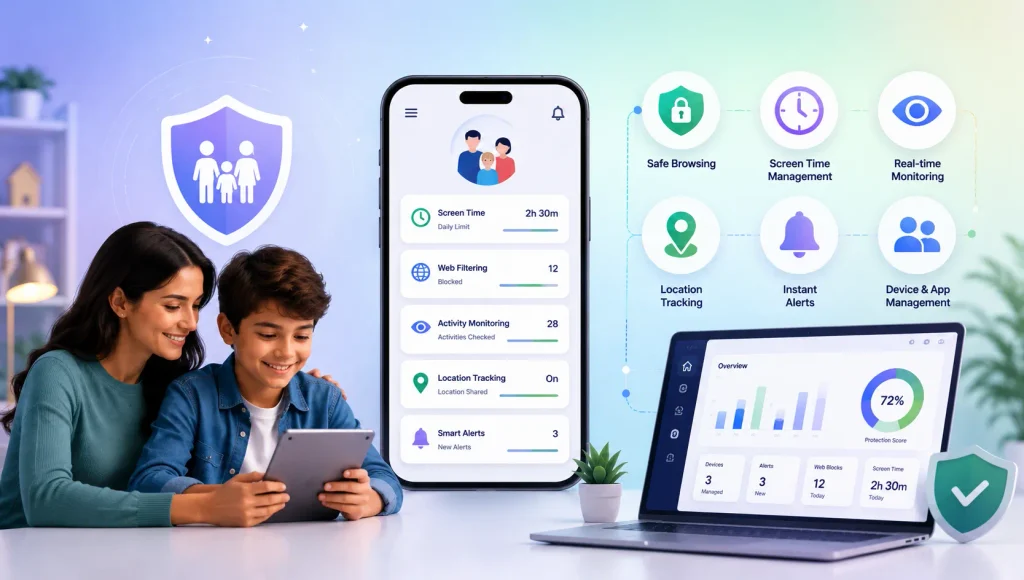
4. Stay Informed With Smart Parental Tools
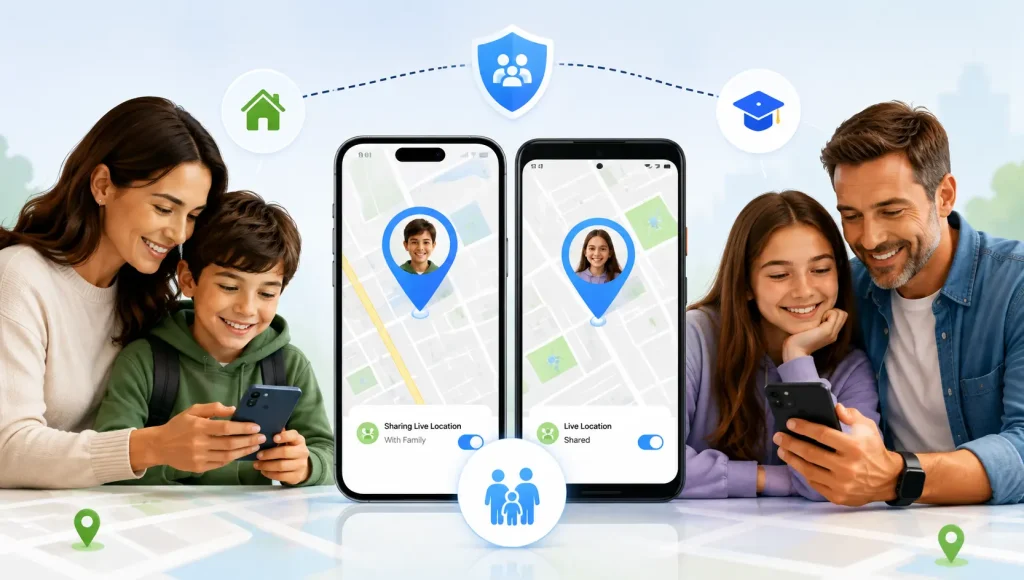
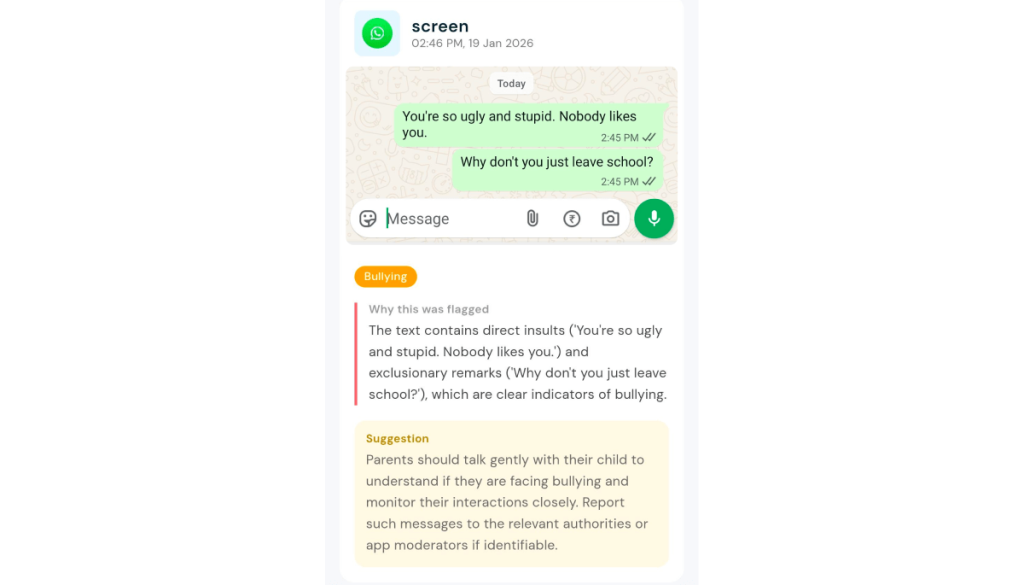
As kids grow, parents can’t see everything—and that’s okay. Modern parental safety tools can act as an extra layer of support by:
- Identifying bullying, hate speech, or threatening language
- Alerting parents early, before emotional harm escalates
- Helping remove harmful content quickly
When used transparently, these tools support safety while still respecting a child’s independence and trust.
What to Do If Your Child Is Being Cyberbullied
- Stay calm and supportive
- Save evidence (screenshots, messages)
- Block and report the bully on the platform
- Inform the school if classmates are involved
- Seek professional help if mental health is affected
Early action can prevent long-term damage.
Building a Safer Digital Future for Kids
Cyberbullying is not just an online problem—it’s a real-world mental health issue. As social media and AI continue to grow, parents must stay informed and proactive.
By combining:
- Awareness
- Open communication
- Digital education
- AI-powered parental control and safety tool
Parents can create a safer, healthier online environment where kids and teens can grow with confidence.
Final Thoughts for Parents
Your child’s digital life is just as important as their offline life. Cyberbullying can deeply impact mental and physical health, but with the right guidance and tools, it is preventable and manageable.
Stay connected. Stay informed. And most importantly—let your child know they are never alone.