



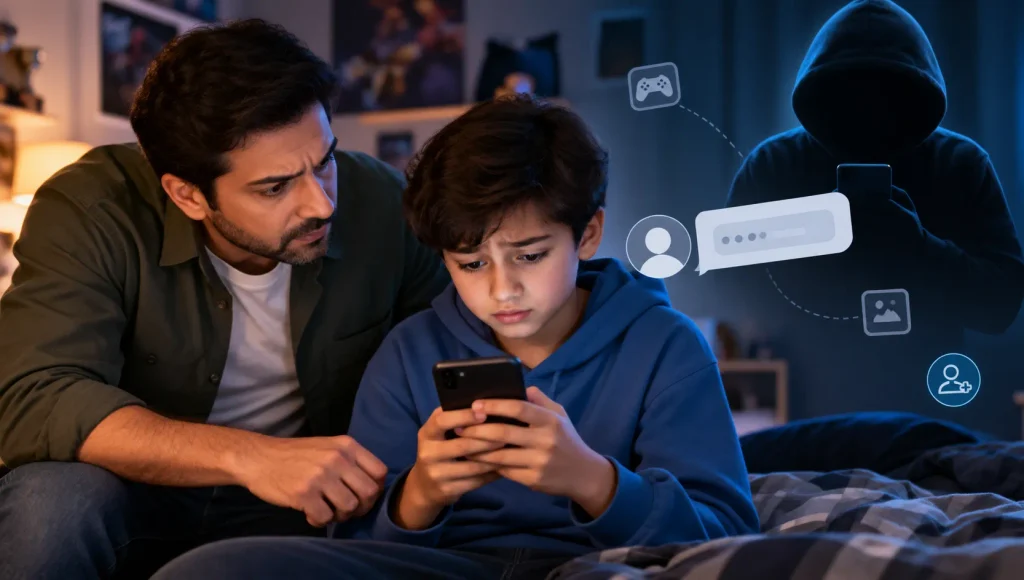
Your child shows you a message from someone they don’t know.
Maybe it’s a simple “Hi.” Maybe the person found them through a game, followed them on social media, or sent a friend request.
Your first instinct might be to say, “Block them right now.”
Sometimes that is exactly what you should do. But before reacting, take a moment to understand what happened.
A stranger contacting your child doesn’t automatically mean there is a serious threat. What matters is what the person wants, how your child responded, and whether the contact continues or becomes uncomfortable.
Here’s how to handle the situation calmly.
Start With Your Child, Not the Stranger
Your first conversation should be with your child.
Ask:
“Do you know this person?“
If the answer is no, ask how the person found them. Did they meet through a game, online chat rooms, social media, or another community?
Then ask:
- Did they send you a friend request?
- Did they message you first?
- Did you respond?
- Have they contacted you before?
- Did anything they said make you uncomfortable?
Keep your tone calm. Your goal is to understand what happened, not make your child afraid to show you messages in the future.
Check What Information Your Child Has Shared
Once you understand the situation, find out whether your child shared anything personal.
This could include:
- Their full name
- Age
- School
- Phone number
- Home or regular locations
- Personal photos
- Social media accounts
- Passwords or login information
If your child shared something, don’t start with blame.
Use the situation as a practical lesson: once something is shared online, you may not be able to control where it goes next.
Look at the Message Before Deciding What to Do
Not every unexpected message requires the same response.
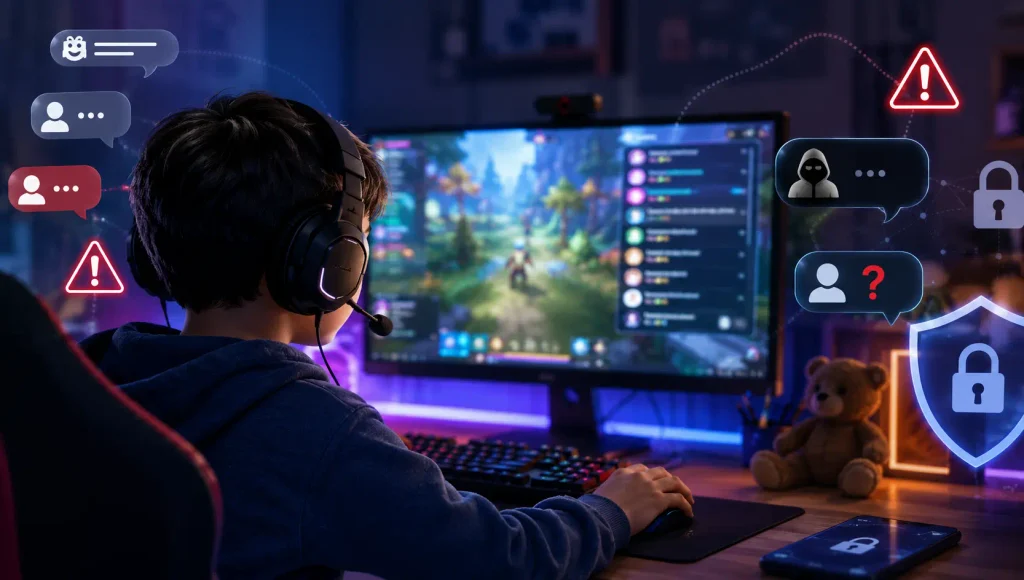
This is particularly important when children use anonymous chat apps, where it can be difficult to know who is behind an account.
A simple “Want to play?” from another player is different from someone immediately asking personal questions or requesting a private conversation.
Look at:
- What the person asked for
- How quickly they became personal
- Whether they respected your child’s answer
- Whether they repeatedly contacted your child
- Whether they asked your child to move somewhere more private
The goal isn’t to judge someone based on one message. Look at the behavior and the pattern.
When Should You Block the Account?
Blocking can be appropriate when your child doesn’t know the person and has no reason to communicate with them.
It’s especially important when the person:
- Keeps contacting your child after being ignored
- Won’t accept “no”
- Asks for personal information
- Sends inappropriate content
- Requests photos or videos
- Makes threats
- Tries to pressure or frighten your child
If the interaction involves a serious threat or suspected exploitation, consider preserving relevant evidence before blocking or deleting the account.
Check Your Child’s Privacy Settings
An unexpected message is also a good reason to review how strangers can reach your child.
If your child also uses secret social media accounts, review those accounts and their privacy settings as well.
Depending on the platform, check settings for:
- Friend requests
- Direct messages
- Voice and video calls
- Group invitations
- Comments and mentions
- Profile visibility
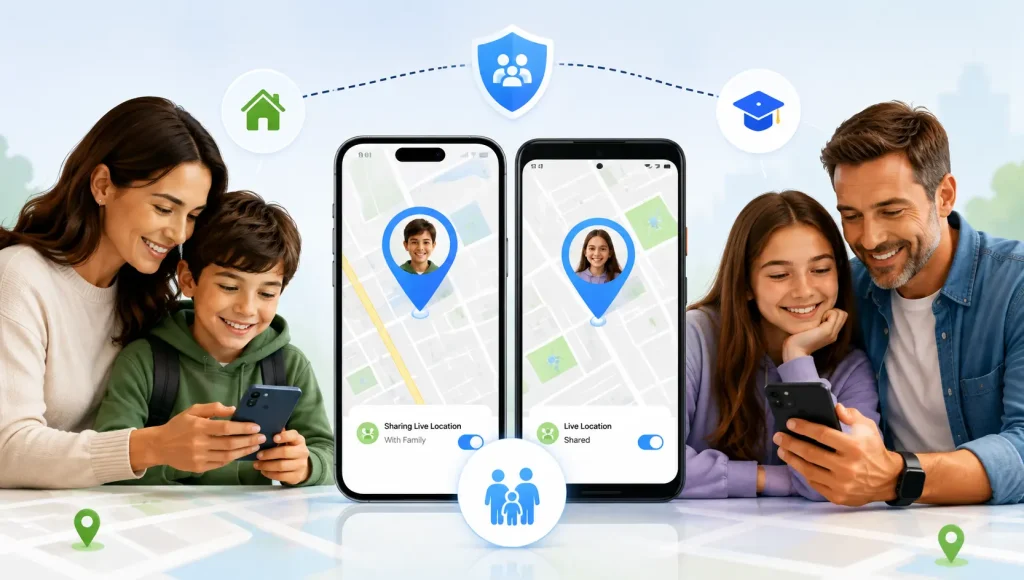
- Location sharing
You don’t necessarily need to change every setting to the strictest option. Focus on settings that control who can contact your child and what they can see.
What If Your Child Already Replied?
Don’t panic.
Children may respond before realizing that a conversation could be unsafe.
Instead of asking, “Why did you answer them?”, ask: “What made you decide to reply?”
Then help your child think through what happened.
If the conversation was harmless, use it as a teaching moment. If the person started asking inappropriate questions, requesting images, making threats, or pressuring your child, take stronger action.
Your child’s willingness to show you the conversation is important. You want them to feel that coming to you is the right choice.
What If the Stranger Keeps Coming Back?
Repeated contact deserves more attention.
If a stranger creates new accounts after being blocked, repeatedly sends friend requests, or continues contacting your child through different platforms, document what is happening.
Save:
- Usernames
- Profile names
- Screenshots
- Dates and times
- Links to profiles
- Messages or requests
Report the account through the platform.
If the contact includes threats, sexual exploitation, blackmail, or other serious safety concerns, learn more about online grooming and sextortion and seek help from the appropriate child-safety or law-enforcement service in your country.
Parents can also review NCMEC’s guidance on online enticement for additional information about how children can be targeted through online communication.
Don’t Turn One Message Into a Lifetime Ban
It’s understandable to want to remove every possible online risk after something like this happens.
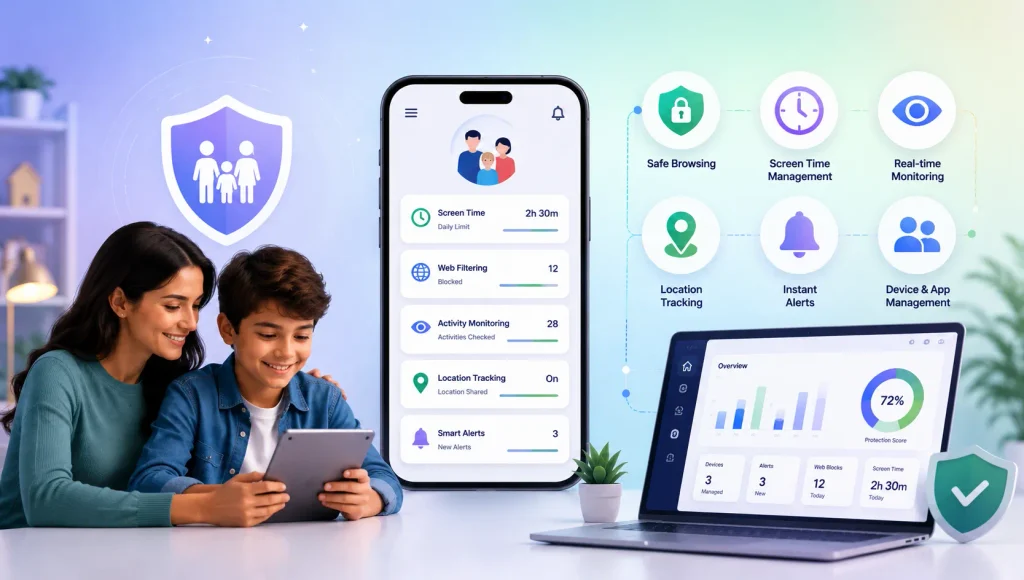
But completely banning games, messaging, or social platforms may not teach your child what to do the next time an unexpected message appears. For younger children, a better first step can be choosing safer tools, such as safe browsing apps for kids that filter what they can find and who can reach them.
Instead, give them a simple response plan:
Don’t share. Don’t continue. Tell an adult.
Your child should know they can ignore, block, and report unwanted contacts—and that they can always show you something that makes them uncomfortable.
Teach Your Child What to Do When a Stranger Messages Them
A few simple rules can make these situations easier for children to handle.
Don’t share personal information
Your child doesn’t need to tell an online stranger their school, home address, phone number, daily routine, or location.
Don’t send photos because someone asks
A request for a photo doesn’t have to be answered. Your child can simply say no, stop responding, or block the account.
Don’t move to another app just because someone asks
If a stranger wants to continue the conversation somewhere more private, your child should check with a parent or trusted adult first.
Don’t be afraid to stop replying
Your child doesn’t owe an online stranger a response.
Tell an adult
The most important rule is simple: if something feels strange, uncomfortable, or confusing, show it to a trusted adult.
For more age-appropriate safety guidance, parents can also review the FBI’s online safety guidance for kids and teens.
Make “Show Me” More Important Than “Hide It”
Children will eventually receive messages from people their parents don’t know. If that contact develops into an ongoing relationship, learn how to evaluate an online friendship with someone your child met online.
You may not be able to prevent every friend request or message, but you can make sure your child knows how to respond.
Instead of teaching only “Never talk to strangers,” teach your child: “If someone you don’t know contacts you, you can always show me.“
That small difference can make online safety feel less like punishment and more like support.
The goal isn’t to make your child afraid of everyone online.
It’s to help them recognize unwanted contact, protect their personal information, and know exactly where to turn when something doesn’t feel right.