


TikTok isn’t just an app — it’s shaping how kids think, feel, and connect in today’s digital world. From viral dances to funny videos, today’s children and teens use TikTok to explore their identity, express creativity, and connect with peers.
But as a parent, understanding TikTok safety for kids and digital parenting tips is essential to help them enjoy this platform safely.
This guide will cover:
- Why TikTok matters for kids
- How TikTok affects kids emotionally and socially
- The power of sounds and memes in building digital belonging
- When influence turns into manipulation
- Tips for parental monitoring and using a parental control app for TikTok
- Gen Alpha online behavior insights
- How the KidsNanny app helps keep your child safe online
Why TikTok Matters for Kids
TikTok is more than entertainment. For Gen Alpha, it’s a digital social world where kids:
- Discover new trends and music
- Express emotions through memes and videos
- Connect with peers across the globe
Over 67% of teens actively use TikTok, and many report it as a place to explore identity and social connections. Understanding this behavior is a key part of digital parenting.
How TikTok Affects Kids’ Emotions and Identity
TikTok trends often reflect kids’ emotional struggles, humor, and social priorities. Videos about friendships, school stress, or self-expression help children process feelings in a safe, relatable way.
However, not all content is positive. Trends promoting unrealistic body images or lifestyle expectations can affect self-esteem over time. Parents must recognize how TikTok affects kids and guide them toward healthy content.
The Power of Sounds and Memes: Building Digital Belonging
TikTok’s real magic lies in its sounds and memes. A single trending audio can unite millions — becoming a digital “inside joke” that makes users feel like part of something bigger.
For kids, these sounds are more than background music — they are signals of identity and belonging. They tell the world, “I get it. I’m part of this.”
Psychologists say teens crave social acceptance and emotional connection more than any generation before. Joining a viral trend gives them that sense of community — even if they feel misunderstood offline.
Caution: While shared trends build connection, they can also create peer pressure and unrealistic comparisons when kids measure their worth through likes and views.
When Influence Turns Into Manipulation
TikTok is full of inspiring, funny, and creative voices. But not all content is as innocent as it looks.
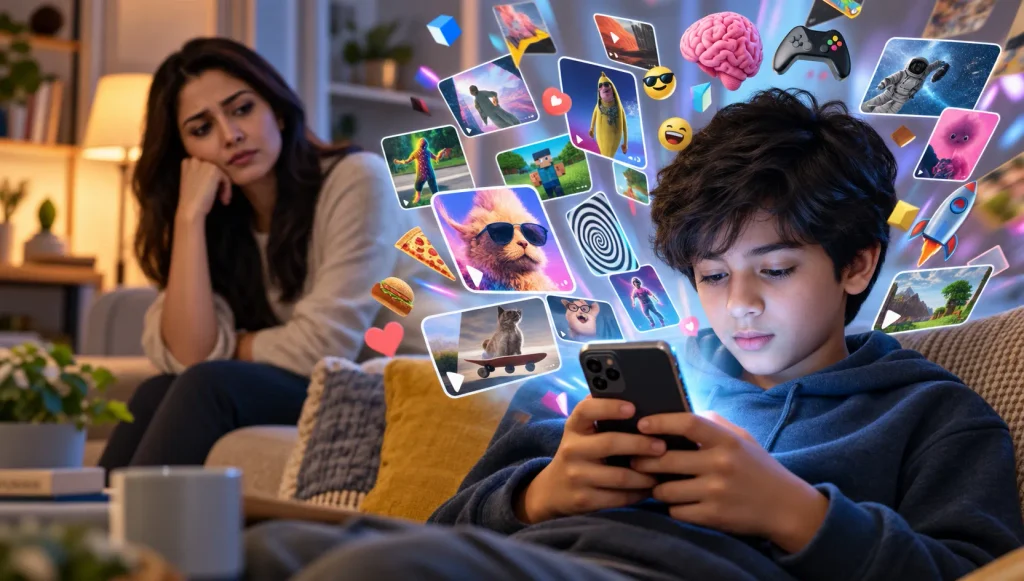
Trends promoting “perfect” bodies, unrealistic routines, or extreme diets often appear motivational but can quietly harm kids’ self-image and confidence. Research shows that 1 in 5 kids online encounter content about body dissatisfaction or disordered eating. Repeated exposure to “ideal” lifestyles can slowly convince them they’re not good enough — especially when these messages come from popular influencers they admire.
Parents must recognize that influence isn’t always obvious. Even small, consistent exposure can shape how kids think about beauty, success, and happiness.
How Parents Can Talk About TikTok Without Conflict
You don’t have to know every trending sound to connect with your child — just be open, calm, and curious.
KidsNanny’s expert-backed tips for healthy TikTok conversations:
- Listen before reacting: Ask what they like about a trend or creator — it builds trust.
- Stay curious, not critical: Avoid mocking trends you don’t understand.
- Talk about digital values: Use viral moments as openings to discuss empathy, privacy, and balance.
- Encourage self-worth offline: Remind them that likes don’t define their value.
- Set healthy screen time habits: Help them enjoy TikTok without losing real-world focus.
Parental Control App for TikTok: Monitoring Made Easy
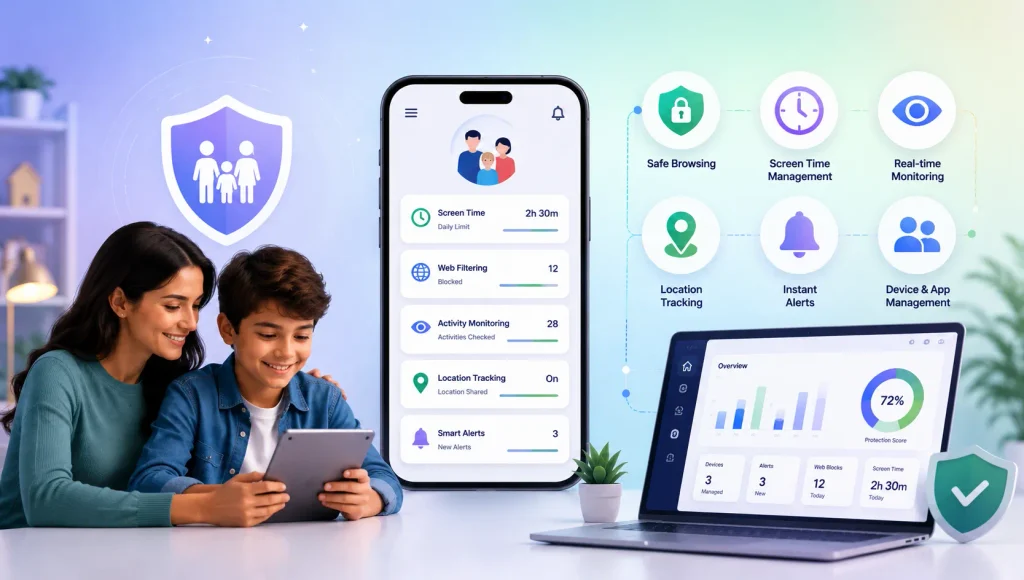
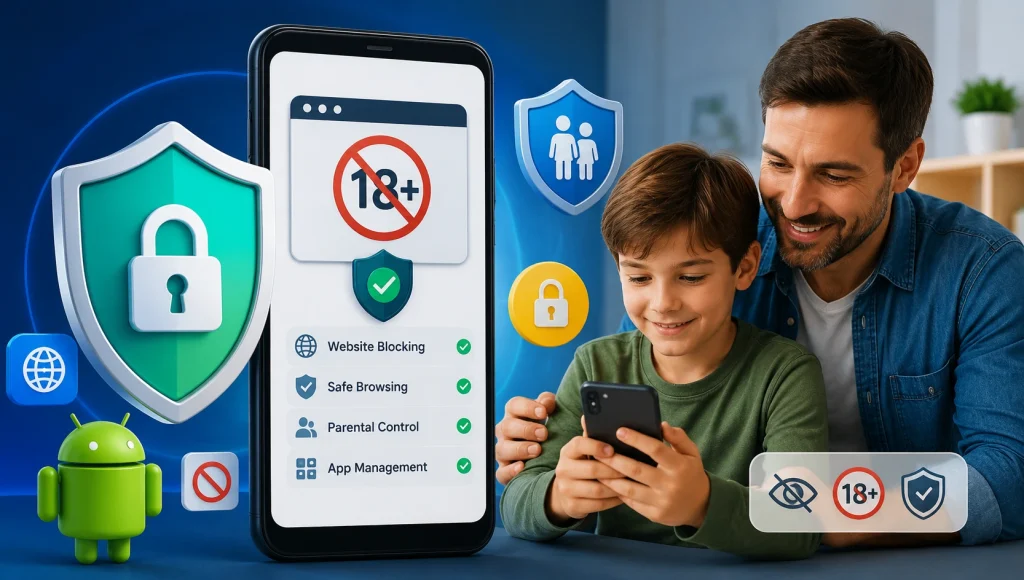
A parental control app for TikTok is one of the most effective ways to ensure your child’s safety. These apps allow you to:
- Track screen time and usage patterns
- Monitor risky or inappropriate content
- Set limits for specific apps, including TikTok
- Receive alerts for potentially harmful behavior
The KidsNanny app helps parents balance freedom and safety without constant supervision.

Gen Alpha Online Behavior: What Parents Should Know
Understanding Gen Alpha online behavior is crucial:
- Kids use apps like TikTok to explore identity and social belonging
- Kids use adult social media apps like TikTok to explore their identity and social belonging.
- Viral trends often hold emotional meaning
- Peer validation through likes and shares can influence self-esteem
- Early guidance helps kids build healthy online habits
By being aware of these patterns, parents can provide better digital guidance and support.
Digital Parenting Tips for TikTok Safety
Practical TikTok parental monitoring tips include:
- Set healthy screen time limits – Avoid excessive TikTok usage affecting sleep and mood.
- Monitor content carefully – Use parental monitoring apps to filter inappropriate videos.
- Talk openly about trends – Ask about favorite videos to understand their perspective.
- Teach critical thinking – Help kids recognize misleading trends or manipulative content.
- Use technology wisely – The KidsNanny app lets kids explore safely while giving parents control.
How the KidsNanny App Helps Parents
KidsNanny is a comprehensive digital safety app that supports modern digital parenting:
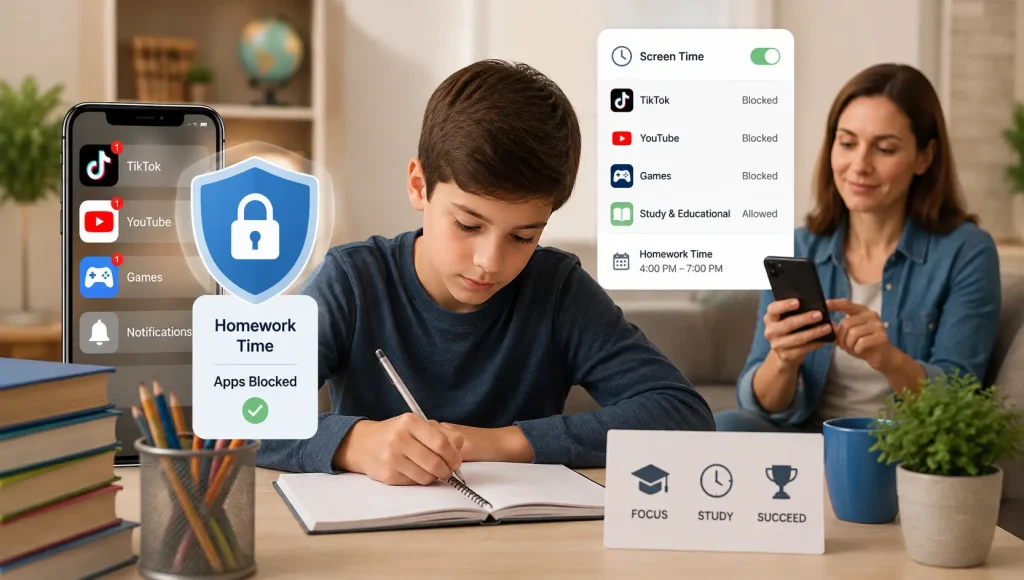
- App & Screen Time Control – Manage TikTok and other social media apps to set healthy limits and balance screen time.
- Content Monitor with Screen Scanner – Instantly detects and flags inappropriate or risky on-screen content in real time, helping parents stay aware of what their kids see online.
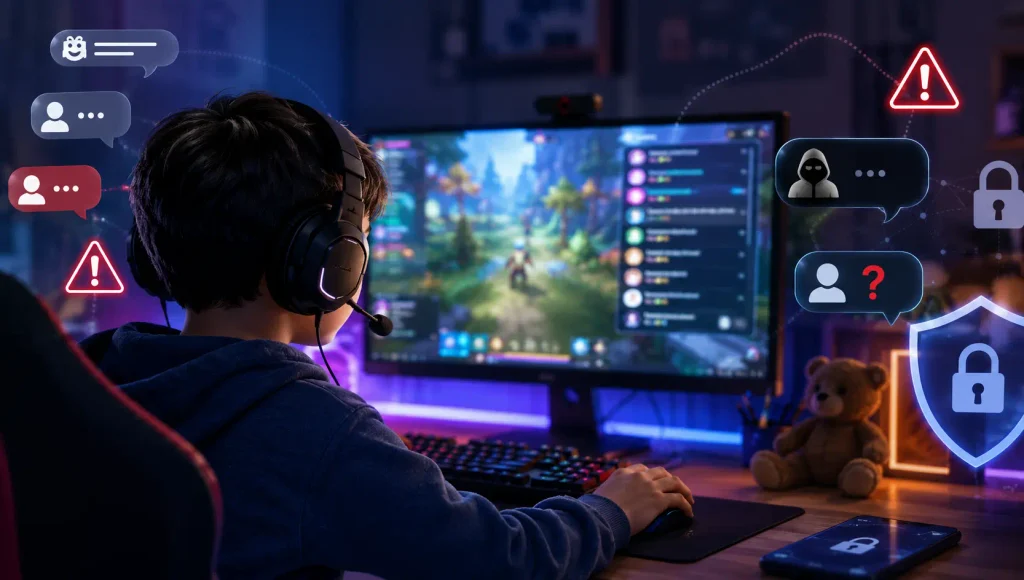
- Smart Camera Protection – If the system detects your child trying to create or share sensitive or unsafe content through the camera, KidsNanny automatically disables the camera and cuts off internet access — preventing privacy breaches and ensuring their safety.
- Real-Time Alerts – Get instant notifications when risky or inappropriate content is detected.
- Safe Browsing Filters – Automatically block harmful or age-inappropriate websites and content.
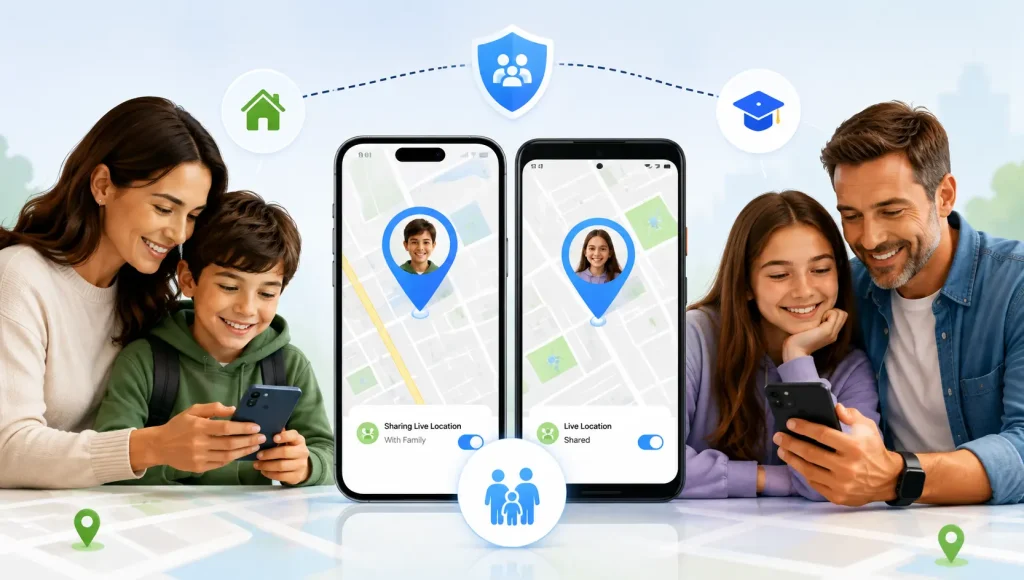
- Location Tracking – Track your child’s real-time location and set safe zones (geofences) around home, school, or other important places. If your child enters or exits these zones, you’ll get an instant notification on your phone.
Parents can guide children through TikTok’s fast-moving culture while promoting healthy digital habits.
Final Thoughts
TikTok is more than entertainment — it shapes how kids think, feel, and connect. Parents who understand Gen Alpha online behavior, practice digital parenting tips, recognize manipulation, and use a parental control app like KidsNanny can ensure kids enjoy TikTok safely while building confidence and creativity.